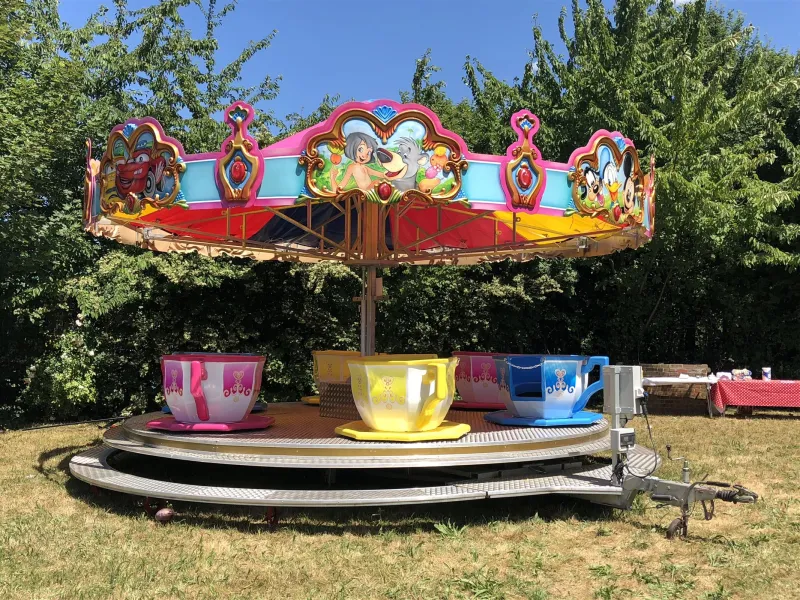
Two Sugars and a Wobble: Inside the Tea Tent That Keeps Pyle Standing
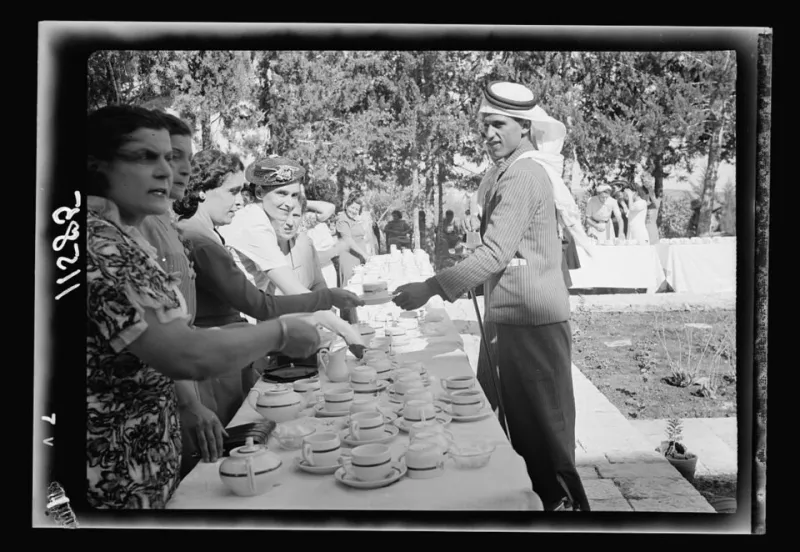
Photo: Matson Collection, Public domain, via Wikimedia Commons
There's a moment at every Pyle gathering — usually around eleven, just as the school choir strikes up or the dog show gets underway — when you'll notice a quiet migration. People drift, almost without deciding to, towards the striped canvas tent at the edge of the field. The tea tent. Nobody plans to end up there. Everybody ends up there.
More Than a Cuppa
Officially, it's a refreshment stand. Unofficially, it's the village switchboard, the confessional, the lost-and-found and the rest home for aching feet, all in one. On a busy Saturday you'll find teenagers recovering from the coconut shy, grandparents holding court over the good chairs, and at least two people deep in conversation about someone's extension.
"You can tell how an event's going by the queue," says Margaret, who has run the tea rota for longer than she'll admit. "Short queue, everyone's enjoying themselves. Long queue, we're doing something right."
The Rota That Runs Itself (Mostly)
The volunteers work in shifts of about two hours, which sounds manageable until you've poured forty cups during a downpour while holding a gazebo pole steady with your shoulder. The rota lives on the noticeboard at the village hall, and it's a marvel of neighbourly negotiation — swapped slots, favours owed, and the annual mystery of who's covering the first hour of the summer fête.
There's a hierarchy, of course. Doreen handles the till because she can make change at speed and spot a forged fifty-pound note at forty paces. The urn is Ken's territory; he's the only one who understands its moods. Newcomers get biscuit duty, which is less an insult and more an apprenticeship.
Gossip Travels at Tea Speed
If you want to know anything about village life — who's moving where, when the scouts are fundraising, whether the allotment competition was judged fairly — the tea tent is where it surfaces first. News travels at roughly the speed of a brewing pot, and by the time the raffle is drawn, everyone's caught up.
But it's gentler than that sounds. This is where the new family down the lane gets their first proper welcome, usually in the form of a free cup and a chair that isn't a hay bale. It's where friendships form between people who've nodded at each other for years but never had a reason to sit down.
The Economics of a Good Brew
At a pound a cup — fifty pence extra if you want a homemade cake the size of a housebrick — the tea tent is less a business and more a ritual. Proceeds rotate between good causes: the playground fund one year, the church roof the next. Nobody counts the biscuits that get eaten by staff. That's understood.
The money is modest; the value isn't. Ask around and you'll hear the same thing: an event without a tea tent feels somehow unfinished, like a wedding without a cake.
Come and Join Us
The tea tent appears at every major Pyle event on the calendar this season, from the spring plant sale through to the Christmas market (where it transforms, heroically, into the mulled squash and mince pie station). If you fancy a shift behind the counter — and honestly, it's the best seat at any event — put your name on the rota at the village hall.
Bring a apron. Leave your inhibitions. Two sugars optional, but recommended.